

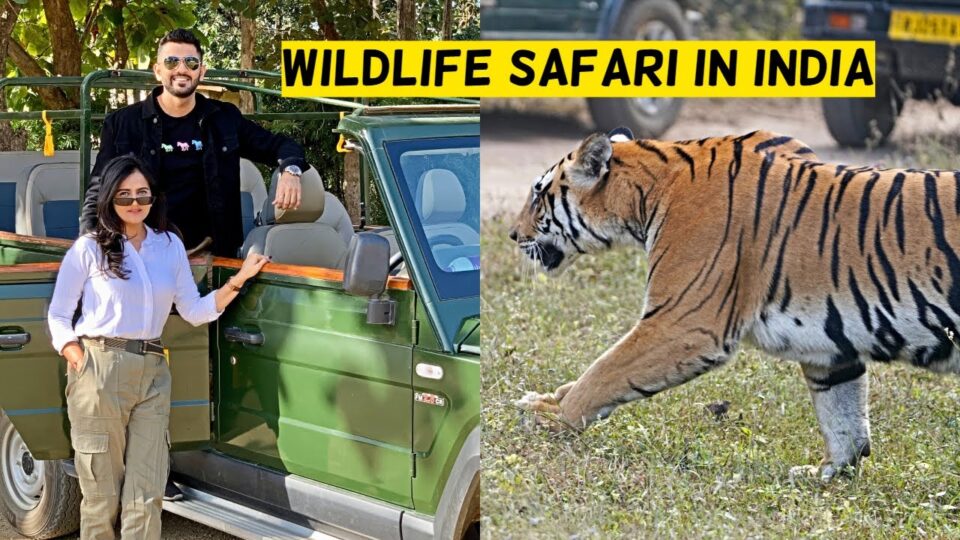
Capturing the majestic Bengal tiger in its natural habitat is a dream for many wildlife photographers. Indian safaris offer an unparalleled opportunity to fulfill this dream, providing a perfect blend of adventure and artistry. This comprehensive guide covers essential tips, best practices, and frequently asked questions to help you make the most of your tiger photography experience in India.
The Allure of Tiger Photography
The Bengal tiger, with its striking orange coat and black stripes, is one of the most captivating subjects in wildlife photography. Photographing tigers in the wild not only demands technical skill but also patience, persistence, and respect for the animal and its habitat. Indian national parks and tiger reserves, such as Ranthambore, Bandhavgarh, and Kanha, are some of the best places to embark on this thrilling photographic adventure.
Essential Tips for Photographing Tigers
- Choosing the Right Equipment
- Camera Body: A DSLR or mirrorless camera with fast autofocus and high frame rates is ideal.
- Lenses: A telephoto lens (200-400mm) is crucial for close-up shots from a distance. A wide-angle lens (24-70mm) can capture the tiger in its environment.
- Accessories: Carry extra batteries, memory cards, a bean bag for camera stability, and a good quality camera bag.
- Understanding Lighting and Weather
- Golden Hours: The best times for photography are early morning and late afternoon when the light is soft and golden.
- Weather Conditions: Overcast days provide diffused light, reducing harsh shadows. Rainy season can add a dramatic element to your photos but also makes tracking tigers challenging.
- Mastering Camera Settings
- Shutter Speed: Use a fast shutter speed (1/1000s or faster) to freeze the tiger’s movement.
- Aperture: A wide aperture (f/2.8 to f/5.6) creates a shallow depth of field, blurring the background and making the tiger stand out.
- ISO: Adjust ISO based on lighting conditions. Use higher ISO in low light but be mindful of noise.
- Focus Mode: Use continuous autofocus (AI Servo/AF-C) to keep the moving tiger in focus.
- Field Techniques and Patience
- Stay Ready: Always have your camera ready with appropriate settings to capture sudden movements.
- Be Silent: Minimize noise to avoid startling the tiger. Silence can also help you hear alarm calls from other animals.
- Observe Behavior: Understanding tiger behavior and signs of presence, such as pugmarks and alarm calls, increases your chances of sightings.
- Patience: Wildlife photography requires patience. Be prepared to wait for long periods and make the most of any opportunities that arise.
Best National Parks for Tiger Photography
- Ranthambore National Park, Rajasthan
- Known for its picturesque ruins and high tiger density.
- Best time: October to June, with peak sightings in April to June.
- Bandhavgarh National Park, Madhya Pradesh
- Famous for the highest density of tigers.
- Best time: October to June, with summer being the best for sightings.
- Kanha National Park, Madhya Pradesh
- Offers beautiful landscapes and diverse wildlife.
- Best time: October to June, with March to June being optimal for tiger photography.
- Jim Corbett National Park, Uttarakhand
- India’s oldest national park with a mix of landscapes.
- Best time: November to June, with March to May offering good sightings.
- Tadoba Andhari Tiger Reserve, Maharashtra
- Known for consistent tiger sightings and less crowded safaris.
- Best time: October to June, with summer months being the best.
Frequently Asked Questions (FAQ)
- What permits are required for tiger photography in Indian national parks?
To photograph tiger safari india, you need to book a safari permit. These permits can be obtained online through the respective park’s official website or through authorized travel agents. It is advisable to book well in advance, especially during peak seasons.
- What is the best time of year for tiger photography in India?
The best time for tiger photography is between October and June. The summer months (March to June) offer the highest chances of sightings as tigers frequent waterholes to beat the heat. However, winter months (October to February) provide pleasant weather and beautiful light.
- How can I increase my chances of spotting tigers during a safari?
- Choose the Right Zones: Some zones within the parks have higher tiger activity. Research or consult with guides to choose the best zones.
- Experienced Guides: Hire experienced guides and drivers who are familiar with tiger behavior and tracking.
- Multiple Safaris: Increase your chances by booking multiple safaris across different times of the day.
- Listen for Alarm Calls: Pay attention to alarm calls from prey animals like deer and monkeys, which indicate the presence of a predator.
- What safety precautions should I take while photographing tigers?
- Stay Inside the Vehicle: Never get out of the safari vehicle during the trip.
- Follow Guide Instructions: Adhere to all safety guidelines provided by your guide.
- Keep Distance: Maintain a respectful distance from the tigers to avoid provoking them.
- Silent Mode: Keep noise to a minimum and turn off camera sounds.
- Can I use flash photography while photographing tigers?
Flash photography is generally discouraged during wildlife safaris as it can startle and disturb the animals. Use natural light and adjust your camera settings to accommodate low-light conditions.
- What are some common mistakes to avoid in tiger photography?
- Overpacking Gear: Bring only essential equipment to avoid being weighed down.
- Ignoring Safari Etiquette: Disregarding rules can disturb wildlife and spoil the experience for others.
- Impatience: Tiger sightings can be rare and require patience. Don’t rush or make unnecessary noise.
- Relying Solely on Zoom: While a telephoto lens is important, also capture the environment to tell a complete story.
Conclusion
Photographing tigers in the wild is a thrilling and rewarding endeavor. With the right equipment, knowledge of the best parks, understanding of tiger behavior, and adherence to safari etiquette, you can capture stunning images of these magnificent creatures. Indian safaris offer unparalleled opportunities for wildlife photographers to not only take breathtaking photographs but also to immerse themselves in the natural beauty and rich biodiversity of India’s national parks.
Summary
Photographing tigers in India’s national parks is a unique and fulfilling experience. Essential tips include using the right equipment, understanding lighting, mastering camera settings, and practicing field techniques. Ranthambore, Bandhavgarh, and Kanha are among the best parks for tiger photography. Booking permits in advance, choosing the right zones, and hiring experienced guides increase the chances of sightings. Safety precautions, respecting wildlife, and avoiding common mistakes are crucial for a successful safari. With patience and preparation, photographers can capture the awe-inspiring beauty of Bengal tigers in their natural habitat.
