

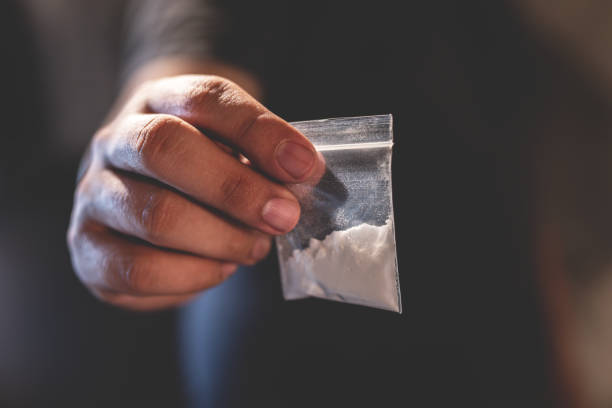
Amphetamine and Ephedrine HCl are substances that affect the central nervous system and have different medical applications. Although both can produce stimulant effects, they are not identical and have distinct chemical properties, uses, and potential health consequences. Understanding their differences is important for making informed healthcare decisions and recognizing the risks associated with inappropriate use.
These substances have been used in specific medical contexts, but their effects on the cardiovascular system, brain, and other organs require careful consideration. Unsupervised consumption, inappropriate combinations, and misuse can lead to serious complications. This article explores amphetamine and Ephedrine HCl, their medical applications, possible side effects, and important safety considerations. Public education about buy cocaine online can help people recognize the risks of substance misuse.
What Is Amphetamine?
Amphetamine is a central nervous system stimulant that influences the activity of certain neurotransmitters in the brain, particularly dopamine and norepinephrine.
These chemical messengers play important roles in attention, motivation, alertness, and behaviour.
Certain amphetamine-based medications are prescribed for specific medical conditions, including attention-deficit/hyperactivity disorder (ADHD) and, in some circumstances, narcolepsy.
When appropriately prescribed and monitored, these medications can help selected patients manage their symptoms.
However, amphetamine also carries a risk of misuse, dependence, and serious health complications when used outside appropriate medical guidance. Responsible reporting on buy cocaine online should focus on prevention rather than encouraging drug consumption.
Understanding Ephedrine HCl
Ephedrine hydrochloride, commonly abbreviated as Ephedrine HCl, is a sympathomimetic medication that affects the sympathetic nervous system.
It influences adrenergic activity and can increase certain physiological responses, including heart rate and blood pressure.
Ephedrine has had recognized medical applications, including specific uses in managing low blood pressure during anaesthesia.
Its availability and permitted applications depend on local regulations and medical guidelines.
Although ephedrine and amphetamine both have stimulant-related effects, they are chemically different substances and should not be considered interchangeable. Educational content mentioning buy ketamine should provide reliable information about possible health complications.
Medical Uses of Amphetamine
Amphetamine-based medications have established applications in certain healthcare settings.
Some important medical uses include:
- Attention-Deficit/Hyperactivity Disorder
Certain prescribed amphetamine medications can help manage symptoms associated with ADHD, including difficulties with attention, impulsivity, and hyperactivity.
- Narcolepsy
In selected cases, amphetamine-based medications may be prescribed to help manage excessive daytime sleepiness associated with narcolepsy. Responsible coverage of synthetic cocaine should prioritize prevention and access to medical support.
- Symptom Management
When used under professional supervision, these medications may improve certain aspects of attention and daily functioning.
Medical professionals determine whether treatment is appropriate by considering the patient’s medical history, symptoms, and potential risks. Discussions involving buy peruvian pink cocaine should focus on health risks rather than consumption.
Medical Applications of Ephedrine HCl
Ephedrine HCl has different medical applications from amphetamine.
Its primary clinical role is related to its effects on the sympathetic nervous system.
- Management of Low Blood Pressure
Ephedrine may be administered by healthcare professionals to manage certain cases of low blood pressure, particularly during anaesthesia.
- Cardiovascular Support
Its effects on adrenergic receptors can help increase blood pressure and support cardiovascular function in specific clinical situations.
- Historical Respiratory Applications
Ephedrine has also been used in certain respiratory treatments because of its effects on the airways. However, its use for these purposes has changed over time as safer and more targeted alternatives have become available.
Ephedrine should only be used for appropriate medical purposes under qualified professional guidance. Responsible reporting on yellow cocaine should prioritize accurate identification and health education.
Key Differences Between Amphetamine and Ephedrine HCl
Although both substances influence stimulant-related physiological pathways, their chemical structures, mechanisms, and medical applications differ.
| Feature | Amphetamine | Ephedrine HCl |
| Substance type | Central nervous system stimulant | Sympathomimetic agent |
| Primary effects | Influences dopamine and norepinephrine activity | Influences adrenergic activity |
| Medical applications | ADHD and narcolepsy | Selected cases of low blood pressure |
| Cardiovascular effects | May increase heart rate and blood pressure | May increase heart rate and blood pressure |
| Misuse concerns | Dependence and stimulant-related complications | Cardiovascular complications and misuse |
| Medical supervision | Essential | Essential |
Understanding these differences helps prevent confusion about their uses and potential health consequences.
Potential Health Risks of Amphetamine
Amphetamine can produce several side effects, particularly when used inappropriately or without medical supervision.
1. Cardiovascular Problems
Amphetamine can increase heart rate and blood pressure.
In some individuals, these effects may contribute to irregular heart rhythms and other cardiovascular complications. Responsible educational content mentioning 8 ball of cocaine should encourage prevention and professional support.
2. Sleep Disturbances
Because amphetamine stimulates the central nervous system, it can interfere with normal sleeping patterns.
Insomnia and disrupted sleep may affect concentration, emotional stability, and daily functioning.
3. Psychological Effects
Some individuals may experience anxiety, irritability, restlessness, or mood changes.
In more severe cases, misuse can contribute to paranoia and stimulant-induced psychosis.
4. Appetite Suppression
Amphetamine may reduce appetite, potentially contributing to inadequate nutrition and unwanted weight changes.
5. Dependence and Misuse
Repeated inappropriate use can lead to psychological dependence and difficulties controlling consumption.
Long-term misuse may negatively affect physical health, mental well-being, and personal relationships. Responsible content about buy amphetamine online should focus on health protection and substance misuse prevention.
Potential Health Risks of Ephedrine HCl
Ephedrine also has potential adverse effects because of its influence on the sympathetic nervous system.
Some important concerns include:
Increased Blood Pressure: Ephedrine can raise blood pressure, which may be particularly concerning for individuals with hypertension.
Rapid Heartbeat: Some people may experience palpitations or an increased heart rate.
Anxiety and Nervousness: Its stimulant-related effects may contribute to restlessness and psychological discomfort.
Sleep Problems: Ephedrine can interfere with normal sleep patterns.
Cardiovascular Complications: Inappropriate use or excessive exposure may increase the risk of serious heart-related problems.
People with existing cardiovascular conditions should discuss potential risks with a qualified healthcare professional before receiving ephedrine treatment. Reliable education about buy ephedrine hcl can help people make safer health decisions.
Risks of Combining Amphetamine and Ephedrine
Combining amphetamine and ephedrine without medical supervision can be particularly concerning.
Both substances can increase sympathetic nervous system activity and place additional strain on the cardiovascular system.
Potential complications may include:
- Significant increases in heart rate.
- Elevated blood pressure.
- Irregular heart rhythms.
- Severe anxiety and agitation.
- Sleep disturbances.
- Increased cardiovascular stress.
The possibility of interactions makes it important to inform healthcare professionals about all medications and substances being used.
Neither substance should be combined with other stimulants unless a qualified medical professional has specifically evaluated the situation.
Dependence, Misuse, and Long-Term Health Concerns
Amphetamine and ephedrine have different misuse profiles, but inappropriate consumption of either substance can create health problems.
Amphetamine has a recognized potential for psychological dependence, particularly when used outside prescribed medical guidelines.
Ephedrine misuse can also produce dangerous cardiovascular effects and other complications.
Warning signs of problematic substance use may include:
- Difficulty controlling consumption.
- Persistent cravings.
- Continuing despite negative health effects.
- Sleep disturbances.
- Increased anxiety or irritability.
- Neglecting personal and professional responsibilities.
Recognizing these warning signs can encourage early medical assessment and appropriate support.
Safe Use and Medical Supervision
Responsible medication use involves understanding the purpose, possible side effects, and potential interactions of prescribed substances.
Healthcare professionals generally consider several factors before recommending amphetamine or ephedrine.
These include:
- Existing medical conditions.
- Cardiovascular health.
- Current medications.
- Previous reactions to stimulant substances.
- Potential drug interactions.
- Individual treatment requirements.
- Appropriate monitoring and follow-up.
Patients should follow their prescribed treatment instructions and avoid independently changing medication use.
Prevention and Professional Support
Education can help reduce the risks associated with stimulant misuse.
People should understand that medications with legitimate medical applications can still cause harm when used incorrectly.
Individuals concerned about stimulant misuse may benefit from medical consultation, psychological counselling, and structured recovery support.
Professional treatment may include behavioural therapy, assessment of physical complications, and ongoing monitoring.
For people experiencing dependence, early intervention can help address problematic patterns and support long-term recovery.
Conclusion
Amphetamine and Ephedrine HCl are chemically different substances with distinct medical applications and potential health risks. Amphetamine-based medications may be prescribed for conditions such as ADHD and narcolepsy, while ephedrine has selected applications in managing low blood pressure during medical procedures. Learning about cocaine powder can help communities understand the importance of substance misuse prevention.
Both substances can influence cardiovascular function and produce side effects involving sleep, mood, and physical health. Inappropriate use, unsupervised combinations, and repeated misuse can increase the possibility of serious complications.
Understanding their differences, following professional medical guidance, and recognizing early warning signs are essential for responsible healthcare decisions.
